Miami Beach is a barrier island, and that single fact governs almost everything about flooring here. The water is never far away in any direction, the salt air reaches every property, and the water table sits high beneath the whole island. Ground floor units and older buildings deal with moisture as a constant condition rather than an occasional problem.
The other defining fact is that most people here live in buildings rather than houses. Art Deco walk ups, mid century towers and modern high rises, nearly all of them governed by association rules that dictate what flooring can go in and how. Our team works across the island, in condominiums, single family homes, hotels and retail spaces, and every project starts with a free in home estimate.
Three things come up on nearly every job on the island.
Building rules come first. Almost every condominium association here sets requirements for hard flooring, typically a minimum sound rating and a specified underlayment, and often written approval before work begins. These are not suggestions. Installing without checking them can mean tearing out a finished floor at your own cost.
Salt and moisture. A high water table beneath the island means slabs on lower floors carry moisture upward continuously. Salt air adds a second layer to that, working on everything it touches over time. Materials that absorb moisture have a harder life here than anywhere else in the county.
Old buildings, unknown conditions. The Art Deco and mid century stock that makes the island what it is was built long before modern flooring practice. Original terrazzo is common beneath later coverings, floor levels vary from room to room, and what is underneath is rarely what the plans say.
The island changes considerably from its southern tip to its northern end.
The oldest and densest part of the island, built through the thirties and forties along Ocean Drive, Collins Avenue and Washington Avenue. Small units in historic buildings, frequently with original terrazzo underneath and strict association rules above. Removal work here is careful work.
Newer towers and renovated properties at the southern tip. Higher end finishes, larger units, and buildings where sound rating requirements are enforced closely. Tile and luxury vinyl plank with the correct underlayment do most of the work here.
Mid century towers from the fifties and sixties alongside recent development. A large stock of units now being renovated for the first time in decades, which makes this the area where removal and subfloor work is heaviest.
Lower rise buildings, more MiMo architecture, and a mix of condominiums and single family homes. Ground floor units are common here, which puts moisture assessment near the top of the list on most jobs.
Single family waterfront homes on the bay side. Larger properties, whole home projects, and direct water exposure that makes tile and engineered hardwood the sensible choices.
Retail, restaurants, hotels and offices along Lincoln Road, Washington Avenue and Collins. Flooring here has to survive constant public traffic, sand carried in from the beach, and cleaning cycles that would wear out a residential floor in a year.
We also work throughout Belle Isle, Star Island, Palm and Hibiscus Islands, La Gorce, Bayshore, Nautilus, Biscayne Point, Surfside and Bal Harbour.


We install every major flooring type, for both residential and commercial spaces.
The most reliable choice on a barrier island. Completely unaffected by water, unbothered by salt air, and available in large format and wood look options that suit modern interiors as easily as they suit older buildings.
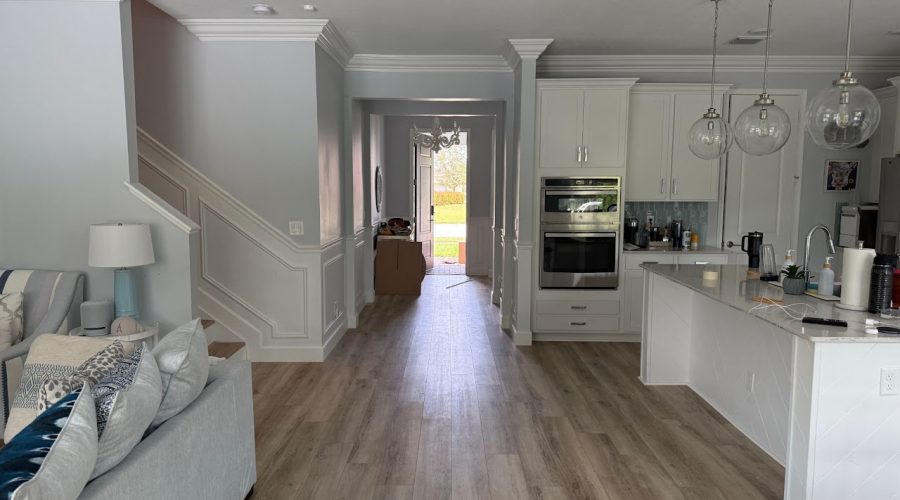
The most common choice in Miami Beach condominiums. It contains no natural wood, so moisture is not a threat, and with the correct underlayment it meets the sound rating requirements most buildings on the island set for hard flooring.
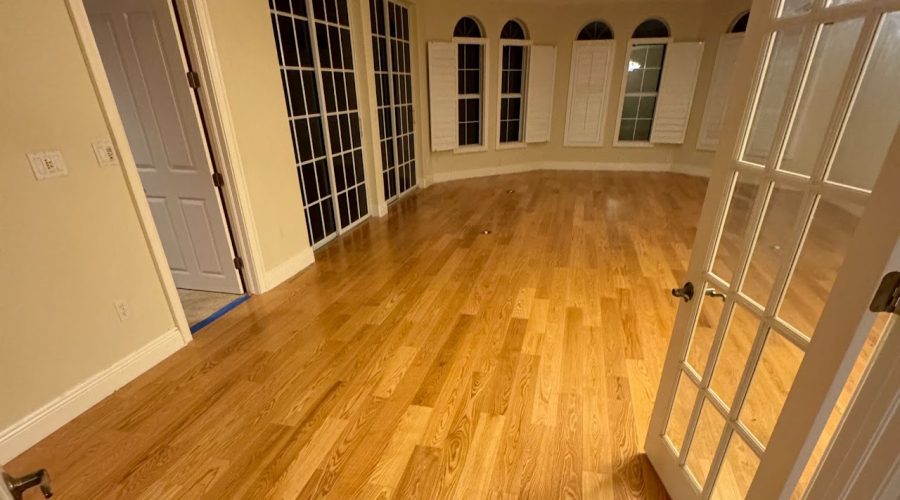
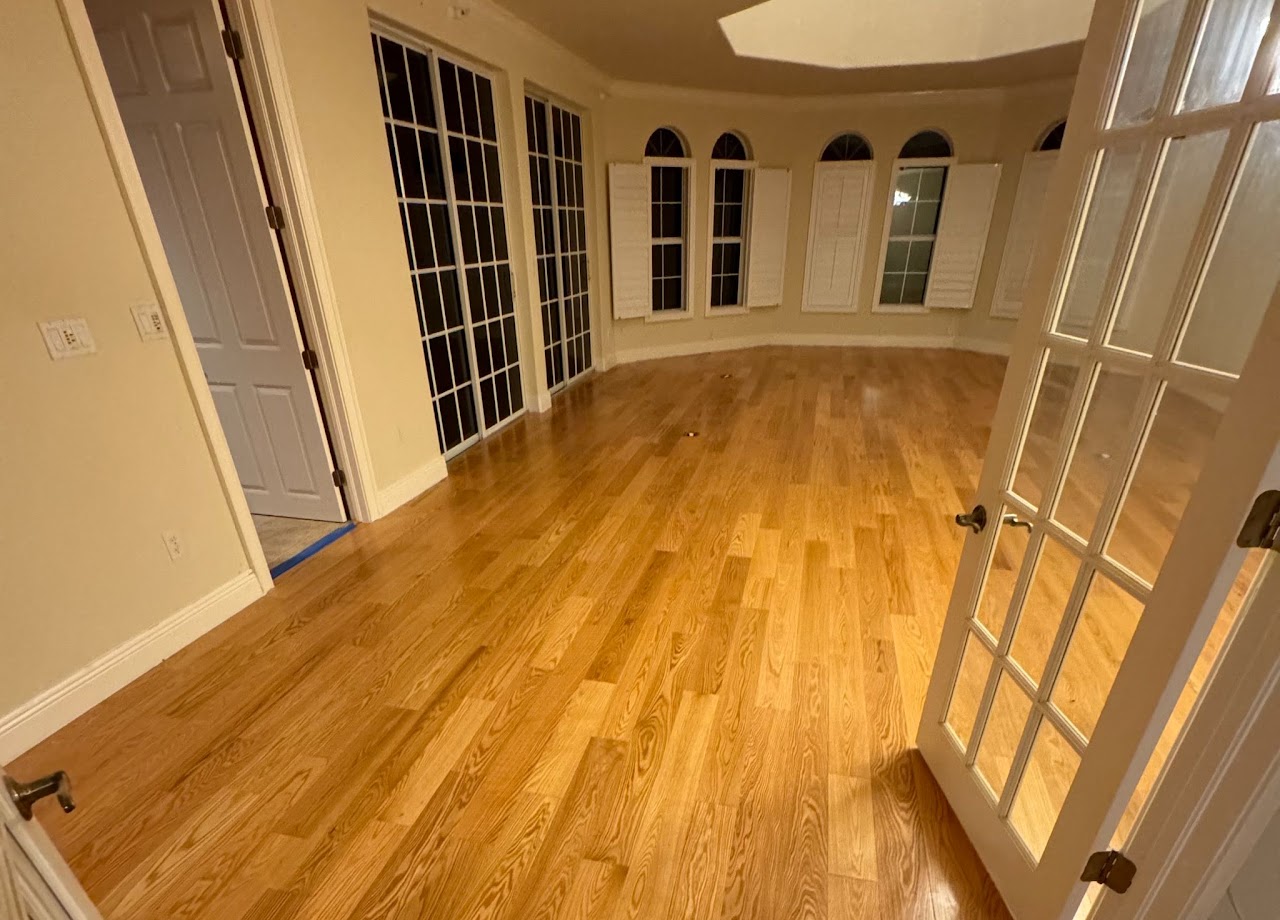
Timeless and adds long term value. On the island, engineered hardwood is the only version worth considering, since its layered core stays stable in conditions where solid wood would cup and gap within a season.
A cost effective wood look with strong resistance to scratches and wear. It suits upper floor units and bedrooms, though on ground floors and in older buildings vinyl plank is the safer choice given the moisture conditions here.
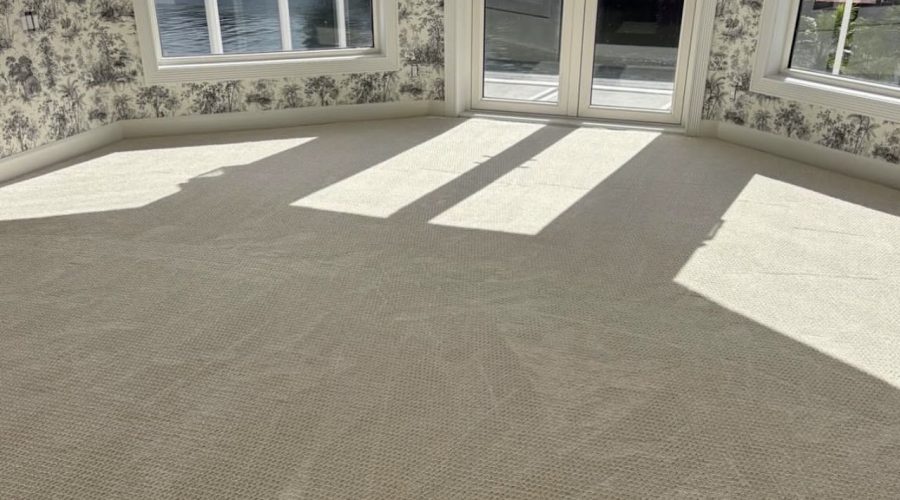
Soft, warm and quiet underfoot. Best in bedrooms and living areas, and genuinely useful in condominiums, where it does more to reduce sound transfer to the unit below than any hard flooring can.
Modular carpet in individual squares, built for commercial and high traffic areas. A stained tile is lifted out and replaced without touching the rest of the floor, which is exactly what hotel corridors, offices and retail units along Lincoln Road need.
Carpet loosens over the years and the slack rises into wrinkles and ripples. Restretching pulls it tight again, reattaches it to the tack strips and trims the excess, restoring the floor without replacing a carpet that is still sound.
Binding seals the exposed cut edge of carpet using machine stitched or heat applied methods, so it cannot ravel. In older island buildings it is most often used to make custom area rugs for rooms that were never built to standard dimensions.
In buildings this old, standing on ground this wet, the work beneath the floor is the part that determines everything above it.
Removal and disposal of your current carpet, vinyl, laminate, hardwood or tile. In South Beach and Mid Beach buildings this frequently means working through several layers laid over the decades, often down to original terrazzo.
Inspection and preparation of the subfloor to ensure a smooth, level and stable surface, including cleaning, patching, sanding, leveling, and addressing moisture or structural issues as required. On a ground floor unit with a high water table beneath it, this step is not optional.
Baseboards cover the expansion gap between the floor and the wall, protect walls from scuffs and wear, and frame the room. In period buildings, matching an existing profile is often preferable to introducing a new one.
Damage is usually local, and a repair is often all that is needed. We handle spot repairs on individual planks and tiles, repair and adjustment of thresholds, transition strips and floor edges, carpet restretching, and repair or replacement of areas affected by moisture or water damage.
In a condominium, water damage most often arrives from a failed appliance or the unit above rather than from weather. Those repairs are urgent, because moisture moves sideways through a subfloor and into neighbouring rooms long before it becomes visible on the surface.
A condominium on any floor. Check the building requirements before choosing anything. Luxury vinyl plank or tile with the correct sound rated underlayment satisfies most associations on the island.
A ground floor unit. Tile or vinyl plank. The water table beneath this island makes anything with a wood based core a real risk at ground level.
An Art Deco or MiMo building. Tile, or engineered hardwood where the look of wood is wanted. Both work with the architecture rather than against it.
A waterfront home on the Venetian or Sunset Islands. Tile first, engineered hardwood second. Salt air and direct exposure rule out anything that absorbs moisture.
Hotels, restaurants, retail and offices. Tile for public areas, carpet tile where sections need to be replaceable quickly and without closing the space.
Not every flooring problem calls for a new floor, and knowing which situation you are in saves both time and money.
When a repair is enough. One cracked tile, a gouged plank, a loose threshold at a doorway, or a carpet that has developed ripples. In all of these cases the rest of the floor is still sound and the damage is local, which is exactly what spot repairs and carpet restretching are for.
When replacement makes more sense. Water damage that has spread into the subfloor, a floor lifting or buckling across large areas, or a surface failing because of moisture from below rather than anything that happened above it. On the island the third of those is more common than people expect.
The right time to start. In a condominium, the schedule is rarely yours alone. Association approval, elevator reservations and permitted working hours usually decide when the job can happen, so that conversation should come before anything else is arranged.
We will tell you honestly which side of that line your floor is on when we come out to measure.
Yes. Most associations on Miami Beach specify a minimum rating and an approved underlayment. We install to those requirements, and it is the first thing we ask about when you contact us.
That is common in South Beach and Mid Beach buildings. Depending on its condition, terrazzo can sometimes be preserved or used as a base, and in other cases it needs to come out. We will tell you what you have once it is exposed.
Solid hardwood is difficult to justify here. Engineered hardwood performs well, because its layered core handles the humidity and salt conditions that would cup and gap solid wood.
Almost certainly moisture from below. The water table beneath Miami Beach is high, and a slab on the ground floor carries that moisture upward continuously. The material choice and the subfloor preparation both have to account for it, otherwise the same failure repeats.
It depends on the size of the space, the material, the building requirements, and how much removal and preparation is involved. We come out, measure on site, and give you a free in home estimate with no obligation.
Whether you are renovating a unit in an Art Deco building on Collins Avenue, flooring a waterfront home on the Venetian Islands, or fitting out a restaurant on Lincoln Road, our team of over 20 licensed and insured installers handles the whole job, from removal and subfloor preparation through installation and baseboards.
Call (786) 720-7328 or request your free estimate and we will schedule a time that works for you.
Call us or send a quick request online.
We measure on site and help you choose.
Our licensed team installs your new floor.
We check every detail together before we leave.
Our skilled team has years of experience in residential and commercial flooring projects.
We use top-grade products for long-lasting beauty, strength, and durability.
From start to finish, we deliver timely, clear, and dependable service every time.