
Miami-Dade is the most populous county in Florida, stretching from Aventura in the north down to Homestead and Florida City at the edge of the Everglades. It contains thirty four municipalities plus large unincorporated areas, and inside that span you find just about every kind of building South Florida has ever produced.
What unites all of it is the ground underneath. Almost every property in this county sits on a concrete slab, poured directly on Miami limestone and sand, with no basement and no crawl space. Moisture moves up through that slab continuously, and that single condition shapes flooring decisions everywhere from Brickell to Redland. Our team works throughout the county, and every project starts with a free in home estimate.
Three conditions apply almost everywhere in the county.
Slab on grade, everywhere. No basements, no crawl spaces. The floor of your house sits on concrete that sits on the ground. Older slabs were poured without a vapor barrier, newer ones with. Which category yours falls into changes the entire approach, and it is determined by the decade the property was built rather than by where it stands.
Humidity that never really lets up. Even with air conditioning running year round, the moisture content in the air here stays high. Materials that expand and contract need proper acclimation before installation and room to move afterward, and the ones that absorb moisture have a harder life than they would anywhere north of here.
Storm season is part of the plan. Water intrusion is a realistic possibility across the county, whether from weather, a failed appliance or a slow leak. Flooring that can be repaired in sections rather than replaced wholesale saves Miami-Dade property owners a great deal over the years.
The county divides into several areas, each with a distinct building character.
Brickell, Downtown, Little Havana, Coconut Grove, Wynwood, Edgewater, Coral Way, Allapattah and Little Haiti. High rise condominiums governed by association rules alongside mid century houses with original terrazzo underneath. The widest range of conditions in the county sits inside one city.
Miami Beach, Surfside, Bal Harbour, Sunny Isles Beach, Key Biscayne, North Bay Village and Aventura. Salt air, a high water table and buildings where sound rating requirements apply to virtually every unit. Tile and engineered hardwood are the practical answers here.
Hialeah, Doral, Miami Springs, Miami Lakes, Hialeah Gardens and Medley. Everything from fifties housing on original slabs in Hialeah to nineties and two thousands construction in Doral. Also the county’s industrial and commercial heart, with warehouses and business parks throughout.
Kendall, Westchester, Sunset, The Hammocks, Pinecrest, Palmetto Bay, Cutler Bay and South Miami. Family territory, built out from the seventies onward and much of it rebuilt after 1992. Two story homes and townhomes are common, which brings the hard flooring downstairs, carpet upstairs question into most projects.
Coral Gables, Coconut Grove, Pinecrest and Gables Estates. Century old houses, architectural review, and finishes chosen to suit the buildings. Tile and hardwood dominate, and what lies beneath an old floor is rarely what anyone expected.
Homestead, Florida City, Redland, Leisure City, Naranja, Princeton and Goulds. Post 1992 reconstruction alongside newer development and working agricultural properties. Storm exposure and low ground make water resistance the first consideration rather than the last.
We also work throughout Opa-locka, North Miami, North Miami Beach, Miami Gardens, El Portal, Biscayne Park, Virginia Gardens, Sweetwater, West Miami, Golden Beach, Indian Creek and the unincorporated communities across the county.


We install every major flooring type, for both residential and commercial spaces.
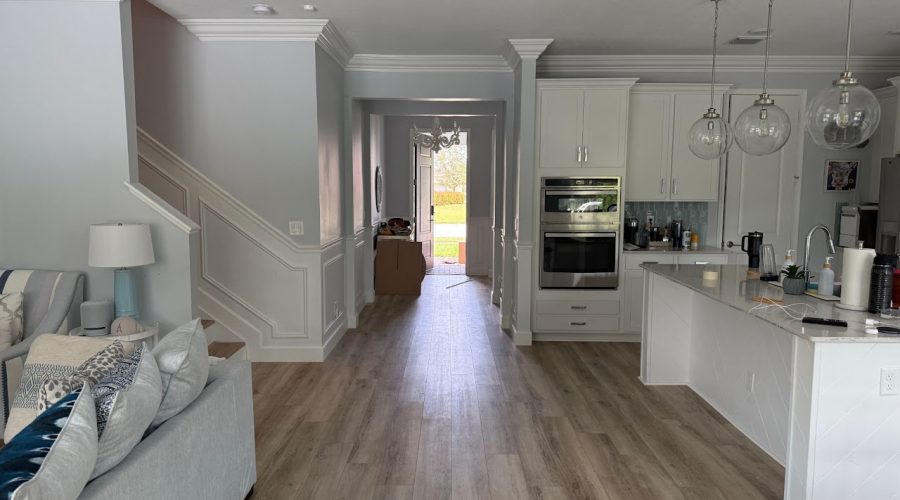
The most widely installed floor in the county. It contains no natural wood, so slab moisture is not a threat, and with the correct underlayment it meets the sound rating requirements most condominium associations here set for hard flooring.
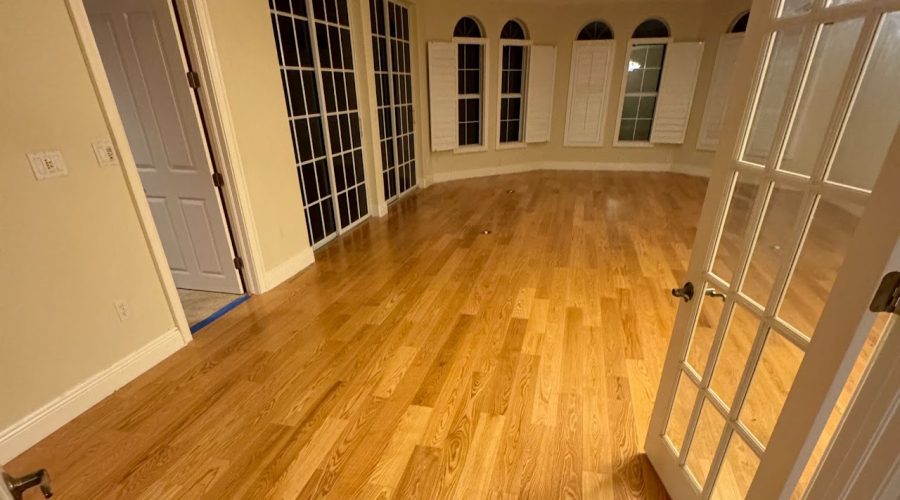
Completely unaffected by water, and the traditional Miami-Dade finish for good reason. It works in a hundred year old Coral Gables house, a Hialeah ranch and a beachfront condominium equally well. Large format and wood look options cover contemporary interiors.
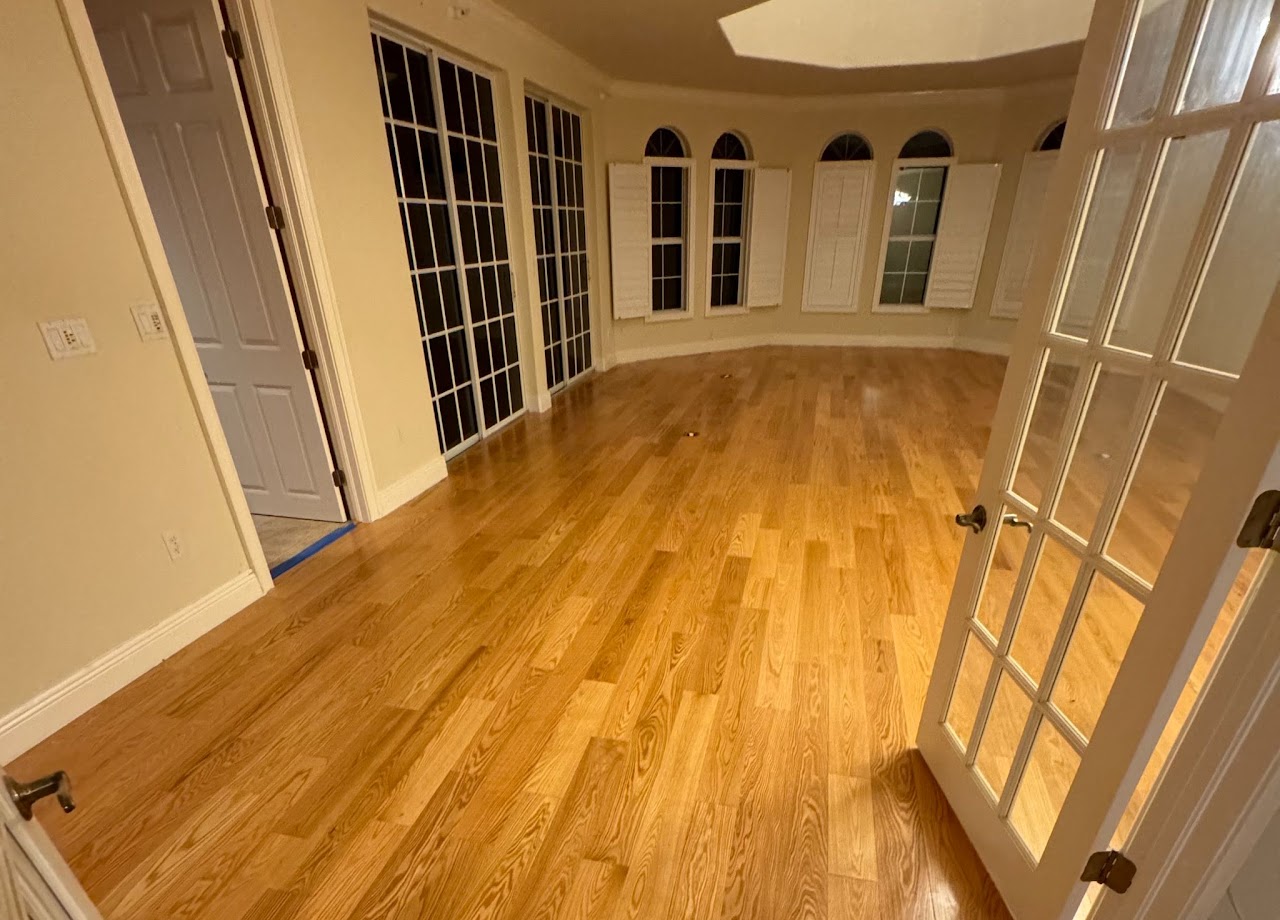
Timeless and adds long term value. Across this county, engineered hardwood is the version that makes sense, since its layered core stays stable through humidity swings and performs far better over a slab than solid wood does.
A cost effective wood look with strong resistance to scratches and wear. It suits bedrooms, living rooms and hallways in the newer western and southern suburbs. Over older slabs it needs proper preparation and a moisture assessment first.
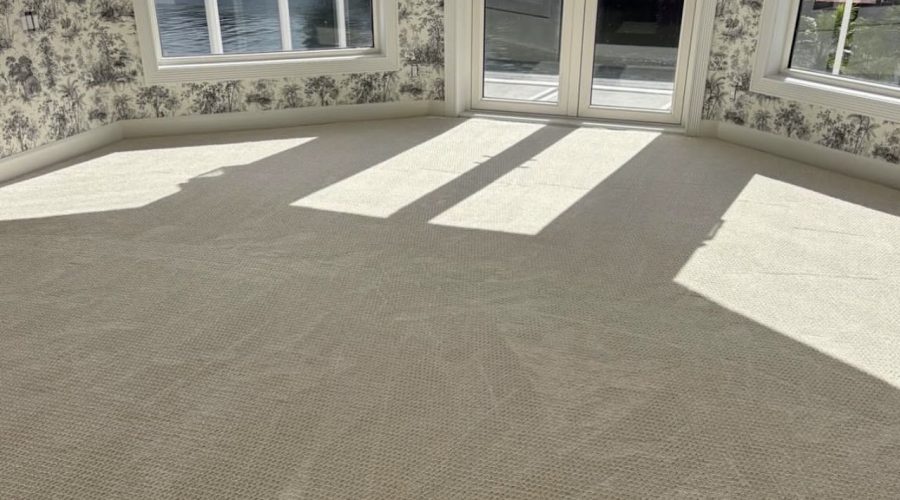
Soft, warm and quiet underfoot. Best in bedrooms, home offices and living areas, and genuinely valuable upstairs in two story homes and in condominiums, where it reduces sound transfer better than any hard surface.
Modular carpet in individual squares, built for commercial and high traffic areas. A stained tile is lifted out and replaced without closing the space, which is why it is standard across offices, clinics, hotels and retail units county wide.
Carpet loosens over the years and the slack rises into wrinkles and ripples. Restretching pulls it tight again, reattaches it to the tack strips and trims the excess. Humidity accelerates the process here, which is why it comes up constantly.
Binding seals the exposed cut edge of carpet using machine stitched or heat applied methods, so it cannot ravel. It turns a remnant into a finished area rug, and keeps stair components and runners from fraying in multi level homes.
In a county built entirely on slab, the work beneath the floor is what decides how long the floor above it lasts.
Removal and disposal of your current carpet, vinyl, laminate, hardwood or tile. In older parts of the county this often means working through several layers down to original terrazzo. In newer areas it is usually builder grade flooring being replaced for the first time.
Inspection and preparation of the subfloor to ensure a smooth, level and stable surface, including cleaning, patching, sanding, leveling, and addressing moisture or structural issues as required. On a Miami-Dade slab this is the single step that most often determines whether a floor lasts five years or twenty five.
Baseboards cover the expansion gap between the floor and the wall, protect walls from scuffs and wear, and frame the room. They can be matched to existing trim, which matters in period homes, or upgraded to a taller modern profile.
Damage is usually local, and a repair is often all that is needed. We handle spot repairs on individual planks and tiles, repair and adjustment of thresholds, transition strips and floor edges, carpet restretching, and repair or replacement of areas affected by moisture or water damage.
Water damage arrives from two directions in this county. In houses it is frequently moisture rising through the slab, which shows as buckling with no visible source. In condominiums it is usually a failed appliance or a leak from the unit above. Identifying which one you have comes before any repair, because the wrong diagnosis means doing the same work twice.
A house on an older slab. Luxury vinyl plank or tile, after the slab has been assessed. Both handle ground moisture without complaint where solid wood and laminate carry real risk.
A condominium anywhere in the county. Check the association requirements first. Vinyl plank or tile with the correct sound rated underlayment satisfies most buildings from Brickell to Aventura.
A beachfront or waterfront property. Tile first, engineered hardwood second. Salt air and proximity to water rule out anything that absorbs moisture.
A newer home in Doral, Kendall or South Dade. More options are open where the slab was poured with a barrier. Laminate and engineered hardwood both perform well.
Offices, clinics, hotels, retail and warehouses. Carpet tile or commercial grade vinyl plank, both chosen for how easily individual sections can be replaced.
Not every flooring problem calls for a new floor, and knowing which situation you are in saves both time and money.
When a repair is enough. One cracked tile, a gouged plank, a loose threshold at a doorway, or a carpet that has developed ripples. In all of these cases the rest of the floor is still sound and the damage is local, which is exactly what spot repairs and carpet restretching are for.
When replacement makes more sense. A floor lifting or buckling across several rooms, water that has spread through the subfloor, tiles cracking in a line, or original flooring that has simply reached the end of its life after several decades.
The right time to start. In a condominium, association approval, elevator reservations and permitted working hours usually decide the schedule. In a house, before furniture goes in and before new trim is fitted. If the property has taken water, drying the slab properly comes before anything goes back down.
We will tell you honestly which side of that line your floor is on when we come out to measure.
The whole county. From Aventura and Sunny Isles in the north through Miami, Hialeah, Doral, Coral Gables and Kendall, down to Homestead, Florida City and Redland in the south.
Engineered hardwood generally can, because its layered core handles moisture movement far better than solid wood. The slab is inspected first and any moisture or leveling issues are addressed as part of subfloor preparation.
That is usually moisture rising through the slab. Older Miami-Dade slabs were often poured without a vapor barrier, and the moisture passes straight into whatever is laid on top. The solution lies in material choice and preparation, not in relaying the same floor.
Tile is completely unaffected by water. Luxury vinyl plank is water resistant and contains no natural wood, which makes it the practical everyday choice. Both handle this climate without difficulty.
It depends on the size of the space, the material, any building requirements, and how much removal and preparation the slab needs. We come out, measure on site, and give you a free in home estimate with no obligation.
Whether you are renovating a condominium in Brickell, restoring a historic home in Coral Gables, updating a family house in Kendall, or fitting out a warehouse in Medley, our team of over 20 licensed and insured installers handles the whole job, from removal and subfloor preparation through installation and baseboards.
Call (786) 720-7328 or
Call us or send a quick request online.
We measure on site and help you choose.
Our licensed team installs your new floor.
We check every detail together before we leave.
Our skilled team has years of experience in residential and commercial flooring projects.
We use top-grade products for long-lasting beauty, strength, and durability.
From start to finish, we deliver timely, clear, and dependable service every time.